ELECTRIC BRAKE RELEASE DEVICE
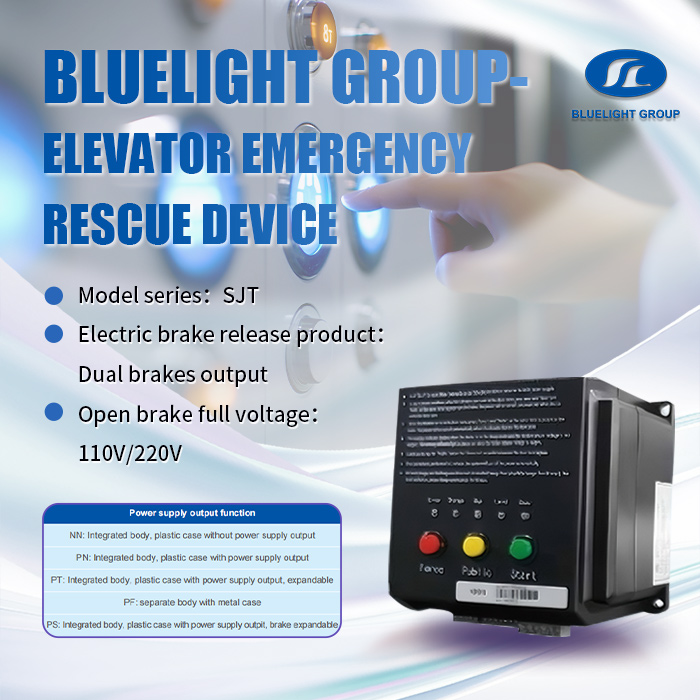
Product Core Features
The newly upgraded EPD series electric brake release device comes with optimized circuit structure design, which fully supports independent wiring configuration for dual brake assemblies. This structural upgrade strictly complies with the latest national elevator safety code requirements, effectively solving the wiring compatibility pain points of traditional single-circuit brake release modules and greatly improving the safety standard of elevator braking control loops.
The device boasts excellent matching compatibility with provincial standard door lock control circuits and emergency stop contactor integrated control systems. During on-site elevator assembly and wiring construction, technicians can directly connect and utilize the reserved door lock contact terminals inside the main control cabinet without adding extra intermediate relay transition wiring. This design drastically reduces the total laying length of control cables, cuts down construction material costs, simplifies on-site wiring procedures, and meanwhile eliminates potential hidden dangers such as poor contact and circuit short circuits caused by redundant wiring, delivering stable and reliable long-term operation performance.
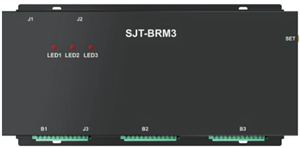
Multiple groups of reserved external lead terminals are integrated on the mainboard of the electric brake release for diversified peripheral electrical connection demands. It is equipped with dedicated battery power output terminals to supply stable backup power for matched functional components; independent external lead terminals for door zone indicator lights are available to realize clear elevator leveling position signal display; separate external lead terminals for manual operation buttons are also reserved to facilitate external access of emergency release buttons, reserving sufficient expansion space for customized elevator control schemes.
A humanized integrated battery compartment structure is adopted for backup battery installation and maintenance. Unlike conventional products that require full machine disassembly to access the battery, this model arranges the battery compartment cover on the rear shell of the device. Operators only need to push open the rear compartment cover with bare hands without any professional disassembly tools to complete battery replacement, inspection and daily maintenance operations quickly and conveniently, lowering post-maintenance time cost and reducing the risk of circuit damage brought by repeated machine disassembly.